



When Is the Best Time to Visit Rovaniemi?
Rovaniemi, the official hometown of Santa Claus and one of winter’s most beloved destinations, is in fact a year-round travel spot offering endless ways to experience Lapland. So when is the best time to visit Rovaniemi? Well, that depends entirely on what you’re looking for: Northern Lights or Midnight Sun? Peace and quiet or a lively atmosphere? How much cold can you handle? And how do you feel about mosquitoes?
To plan your trip wisely, it helps to understand how seasons work at this latitude of the world. Lucky you: we’ll break it all down for you!
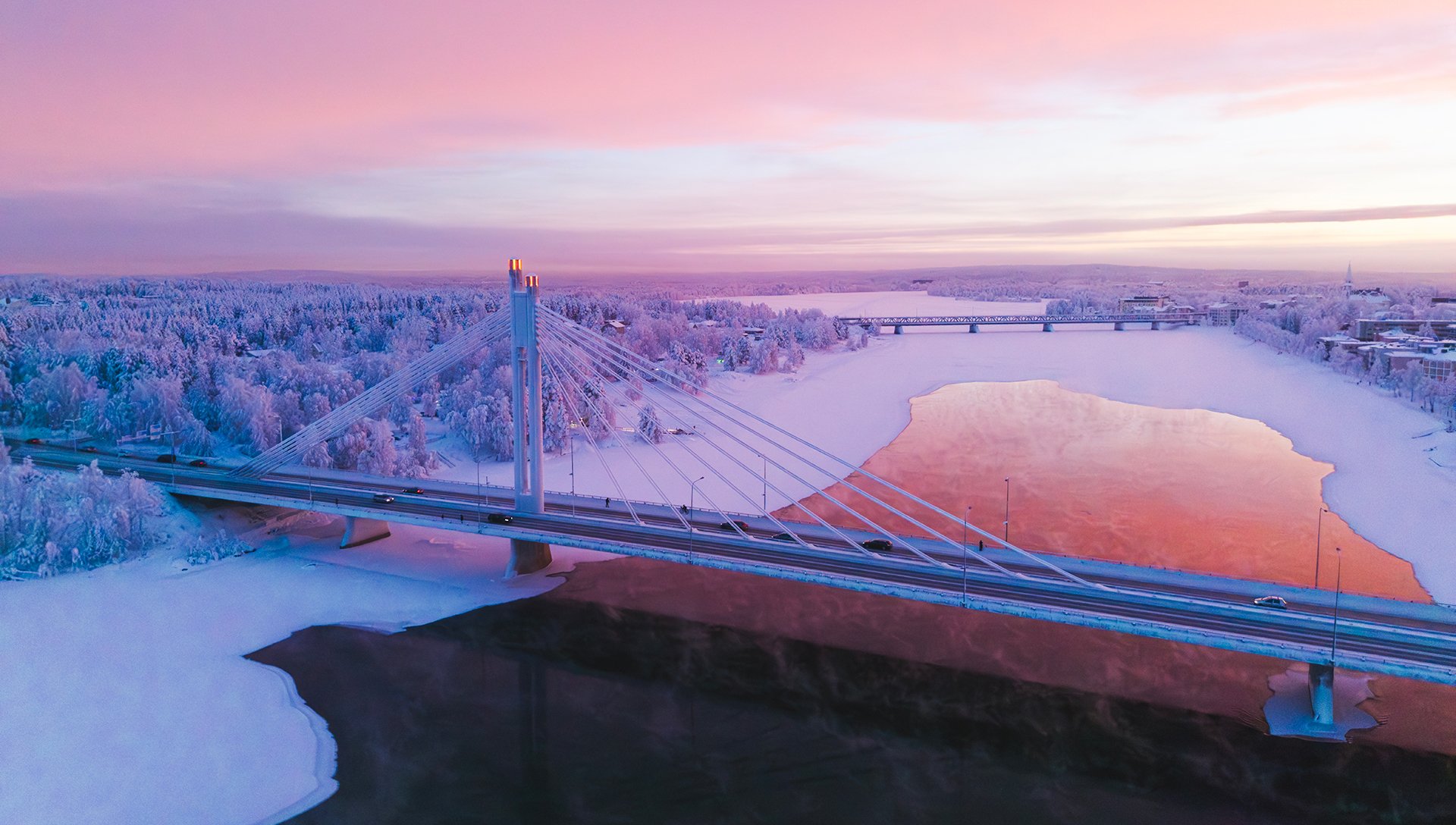
Meet the Great Eight!
In most of Europe, we’re used to dividing the year into four seasons. Simple enough. But in Lapland, things work a little differently, and the Sámi people have known this for centuries. Being closely connected to nature and reindeer herding, they observed that the changes in weather, light and daily life don’t fit neatly into just four boxes. So they added a few “in-between” seasons to better reflect what’s actually happening outdoors. The result? Eight distinct seasons, each with its own mood and rhythm.
Time for speed dating with the Great Eight! Take a minute to let each season introduce itself and decide which one deserves a right swipe for your dream trip to Rovaniemi. Just keep in mind: nature likes to keep things flexible, so weather and timing can vary slightly from year to year. Think of this as your friendly guide, not a rulebook set in stone.
1. Pakkastalvi (Frosty Winter)
Pakkastalvi is Lapland at its most Arctic. From mid-January to late February, Rovaniemi enters full winter mode: temperatures drop, the snow piles up, and the air turns crisp and crystal clear. Much of this period still falls within the polar night, but don’t expect complete darkness: the sky shifts through shades of blue, pink and purple, creating a magical backdrop for winter adventures.
This is the coldest time of the year, and also one of the most rewarding. Snow conditions are at their absolute best, making it prime season for skiing, snowshoeing, snowmobiling, husky sleigh rides and ice fishing. The snow is deep, the lakes are fully frozen, and the forests feel quiet and untouched. On clear nights, the chances of spotting the Northern Lights are very high, thanks to long, dark evenings and low light pollution. As the weeks pass, daylight slowly returns: a subtle but uplifting reminder that Hankikantokevät is on its way!
Quick Facts
Period: Mid-January to end of February
Temperature Range: -25°C to -5°C
Day length: 4-10 hours
Aurora Sighting Chances: Very High
Snow conditions: Excellent
Phenomenons: Polar night, Northern Lights
Tourist traffic: High
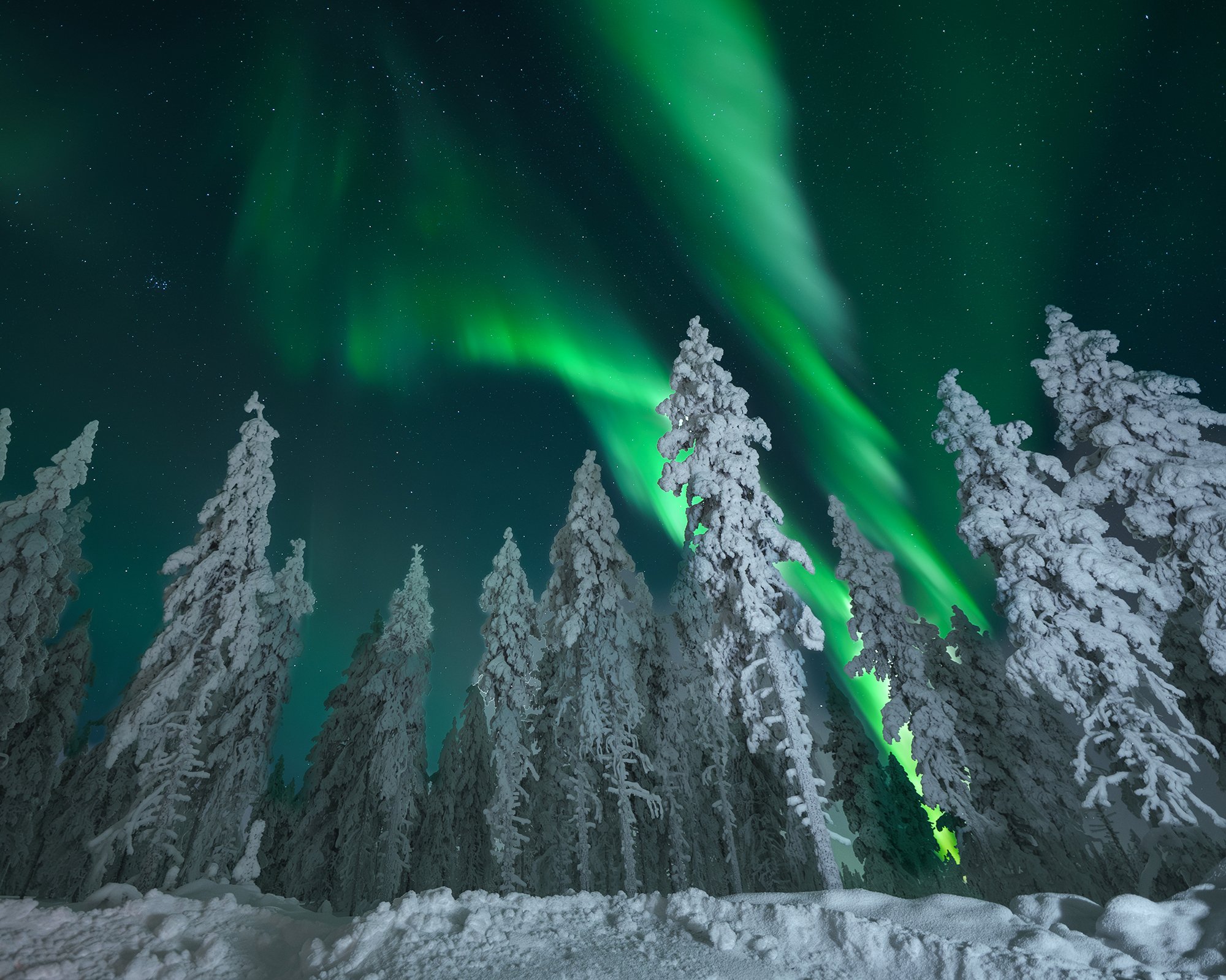
2. Hankikantokevät (Hard Snow-Crust Spring)
From early March to mid-April, Rovaniemi shakes off the deep winter darkness and enters Hankikantokevät. The air fills with light, days grow noticeably longer, and temperatures start to climb, though nights can still feel chilly. Snow has been building up for months and, during the first warm days of this season, a firm, supportive crust forms on the surface, making it perfect for snowshoeing, skiing, ice fishing and snowmobiling.
Even as the darkness of winter fades, the Northern Lights remain visible, especially in March when they are most active, providing a final winter spectacle before the nights become too short. As the snow melts and daylight stretches, Rovaniemi bursts back to life. Locals head outdoors, creating a lively, cheerful atmosphere. It’s a season where winter and spring meet, giving travellers the best of both worlds. And as the peak winter rush begins to ease, there are fewer crowds and often more attractive prices — a sweet spot for travellers who want full winter conditions with a little more space and flexibility.
Quick Facts
Period: March to Mid-April
Temperature Range: -15°C to 5°C
Day length: 10-15 hours
Aurora Sighting Chances: Very High to Moderate
Snow conditions: Excellent to Good
Phenomenons: Northern Lights, longer daylight hours
Tourist traffic: Moderate
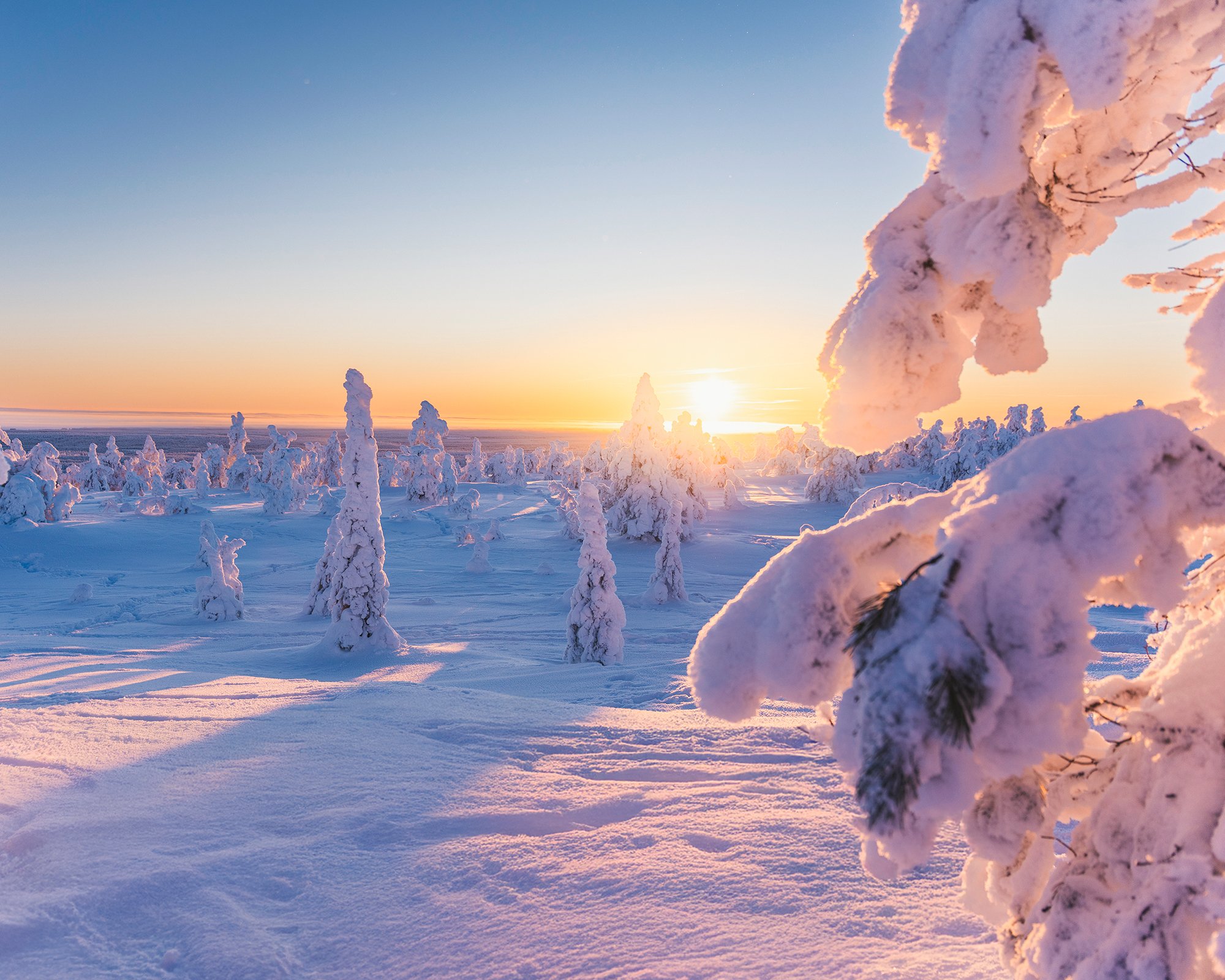
3. Jäidenlähtökevät (Spring Thaw)
From mid-April to mid-May, Rovaniemi shakes off the last grip of winter and enters Jäidenlähtökevät. Days are already long, temperatures are climbing (though nights can still bite a little), snow is melting, rivers are breaking up with satisfying cracks and rumbles, and the air feels fresher, lighter, and full of promise.
It’s the perfect time to get outside and explore: bike along scenic trails, try paddling or canoeing, go snowshoeing on the last patches of snow, or simply wander through forests coming alive. Nature is waking up, as the first flowers peek through the thawing snow and reindeer give birth to their calves. People are out enjoying it too, and there’s a cheerful energy in the air that makes spring in Lapland feel truly magical!
Quick Facts
Period: Mid-April to Mid-May
Temperature range: -10°C to 13°C
Day length: 15-19 hours
Aurora Sighting Chances: Moderate to Low
Snow conditions: Fair to Poor
Phenomenons: Longer daylight hours
Tourist traffic: Low
4. Yöttömän yön aika (Nightless Night Season)
From mid-May to mid-July, Rovaniemi basks in the Yöttömän yön aika, when the sun doesn’t set at all for nearly a month. Days and nights merge into endless light, giving you all the time you need to enjoy the outdoors. Temperatures are warm, rivers sparkle, and the forests and fells are vibrant with life. This is also prime time for hiking, and if Vikaköngäs is on your list, you’re making an excellent choice! But perhaps there’s no better way to experience this season than from a sauna boat, drifting on a lake under the Midnight Sun and letting the steam, cool water and endless daylight soothe your body and soul.
Festivals and music events fill the long days, while the endless sunlight gives the wilderness a magical glow. The highlight of this season is Midsummer Eve (Juhannusaatto), one of Finland’s most cherished celebrations. As evening never truly arrives, locals gather by lakes and rivers, light traditional bonfires, share food and drinks, and linger outdoors late into the “night.” Rooted in ancient beliefs about light, fertility and good fortune, Juhannus today is simply about celebrating summer at its peak — and soaking up every last ray of sunlight!
Quick Facts
Period: Mid-May to Mid-July
Temperature range: 3°C to 15°C in May / 8°C to 20°C in June / 12°C to 25°C in July /
Day length: 19-24 hours
Aurora Sighting Chances: None
Snow conditions: None
Phenomenons: Midnight Sun
Tourist traffic: Low
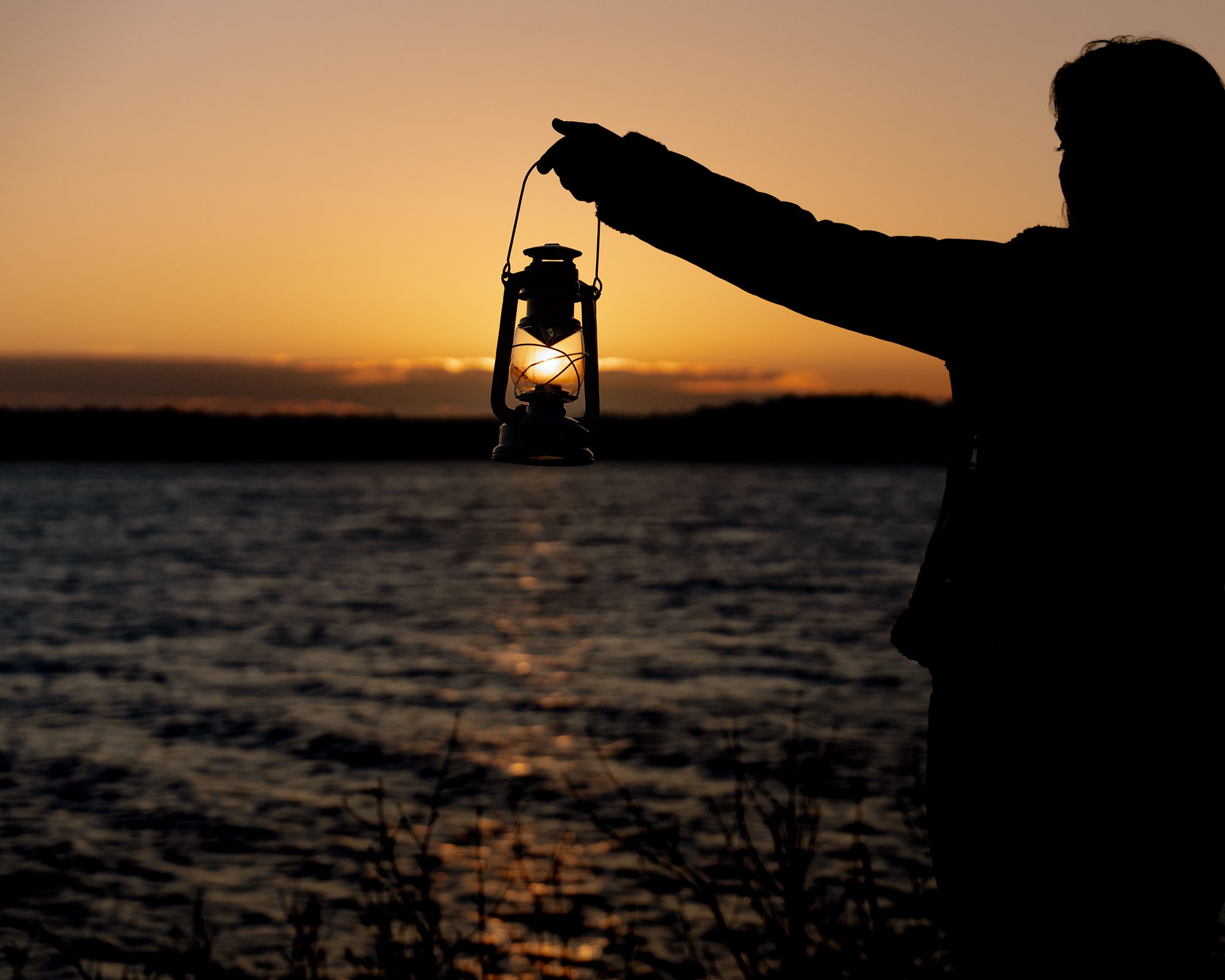
5. Sadonkorjuu (Harvest Season)
From mid-July to early September, Rovaniemi enters Sadonkorjuu, the Harvest Season. Nature begins to signal the shift toward autumn: the days are still long and mostly warm, but the light softens and the first hints of early evening appear. This is the time when berries ripen (cloudberries, blueberries, lingonberries) and the forests become a playground for anyone who loves picking fresh fruit straight from nature. Mushrooms also start appearing, making this season a feast for foragers.
As daylight gradually fades, the nights grow darker, and the first Northern Lights may make a magical return. The crisp air, quiet forests, sparkling bogs, and rolling fells invite gentle hikes, wildlife spotting — keep your eyes peeled for moose! — and peaceful moments of reflection. It’s a season that perfectly balances active adventures with calm, letting you savour the last taste of summer in Lapland.
Quick Facts
Period: Mid-July to early September
Temperature range: 25°C to 5°C
Day length: 21-14 hours
Aurora Sighting Chances: None to Low
Snow conditions: None
Phenomenons: Return of dark nights
Tourist traffic: Low
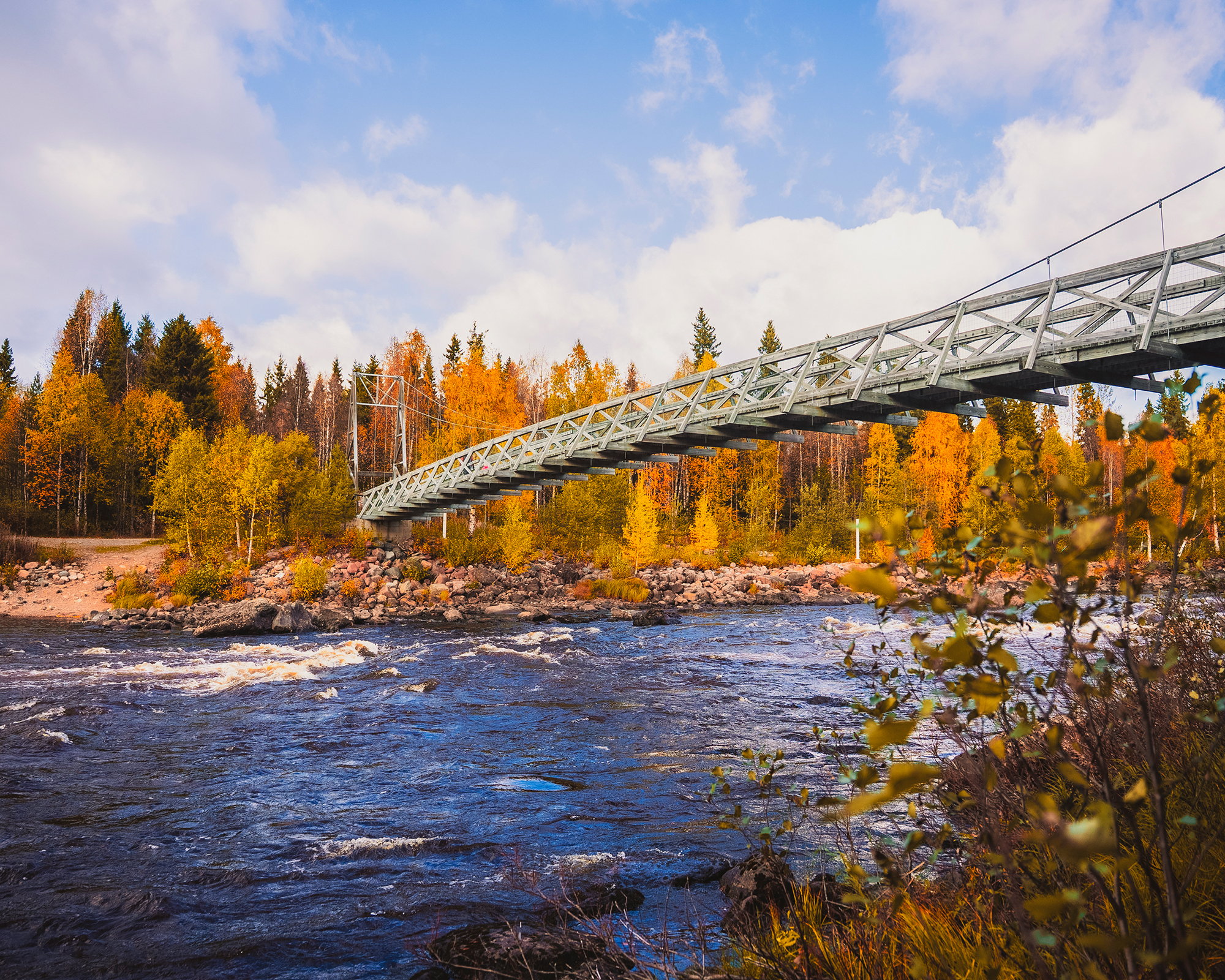
6. Ruska (Fall foliage)
From early September to mid-October, Rovaniemi transforms into a spectacular palette of red, gold, and orange. Welcome to the breathtaking Ruska season, which continues the harvest spirit of late summer. Cloudberries, blueberries and lingonberries are ripe, inviting foraging in the woods and bogs, while mushrooms abound, making it a true feast for nature lovers. It’s the perfect time to get a taste of Lapland’s wild flavours.
Days are generally still mild, ideal for hiking, cycling or wandering through glowing forests. Nights grow longer, and the Northern Lights begin returning, sometimes reflecting beautifully off lakes and rivers. By October, the first snow may lightly dust the landscape, hinting at the winter wonderland to come.
Quick Facts
Period: early September to mid-October
Temperature range: 14°C to 0°C
Day length: 14-9 hours
Aurora Sighting Chances: Moderate
Snow conditions: None to Poor (first temporary snow possible in October)
Phenomenons: Autumn foliage (ruska), Northern Lights reflections, shortening days
Tourist Traffic: Low to Moderate
7. Ensilumi (First Snow)
From mid-October to mid-November, Rovaniemi enters Ensilumi, the season of first snow. The vibrant colours of Ruska have faded, and a delicate white layer may appear overnight, only to melt again during milder days. It’s a time of quiet transformation, when autumn slowly gives way to winter.
Frost begins to harden the ground, mornings turn crisp, and daylight hours shrink rapidly. Surprisingly, this can be one of the best times for peaceful hiking: trails are quiet, the air feels fresh and dry, and with darkness returning, Northern Lights viewing becomes increasingly rewarding.
Ensilumi is also a season of anticipation. Locals prepare for the long winter ahead, businesses shift into Christmas mode, and the Arctic landscape settles into stillness. Then, one morning, the snow stays, and winter truly begins.
Quick Facts
Period: Mid-October to Mid-November
Temperature: 7°C to -10°C
Day length: 9-6 hours
Aurora Sighting Chances: Moderate to High
Snow conditions: Poor to Fair (first temporary snow possible in October)
Phenomenons: Northern Lights reflections, shortening days, first Snow
Tourist Traffic: Moderate
8. Joulukaamos (Christmas Polar Night Season)
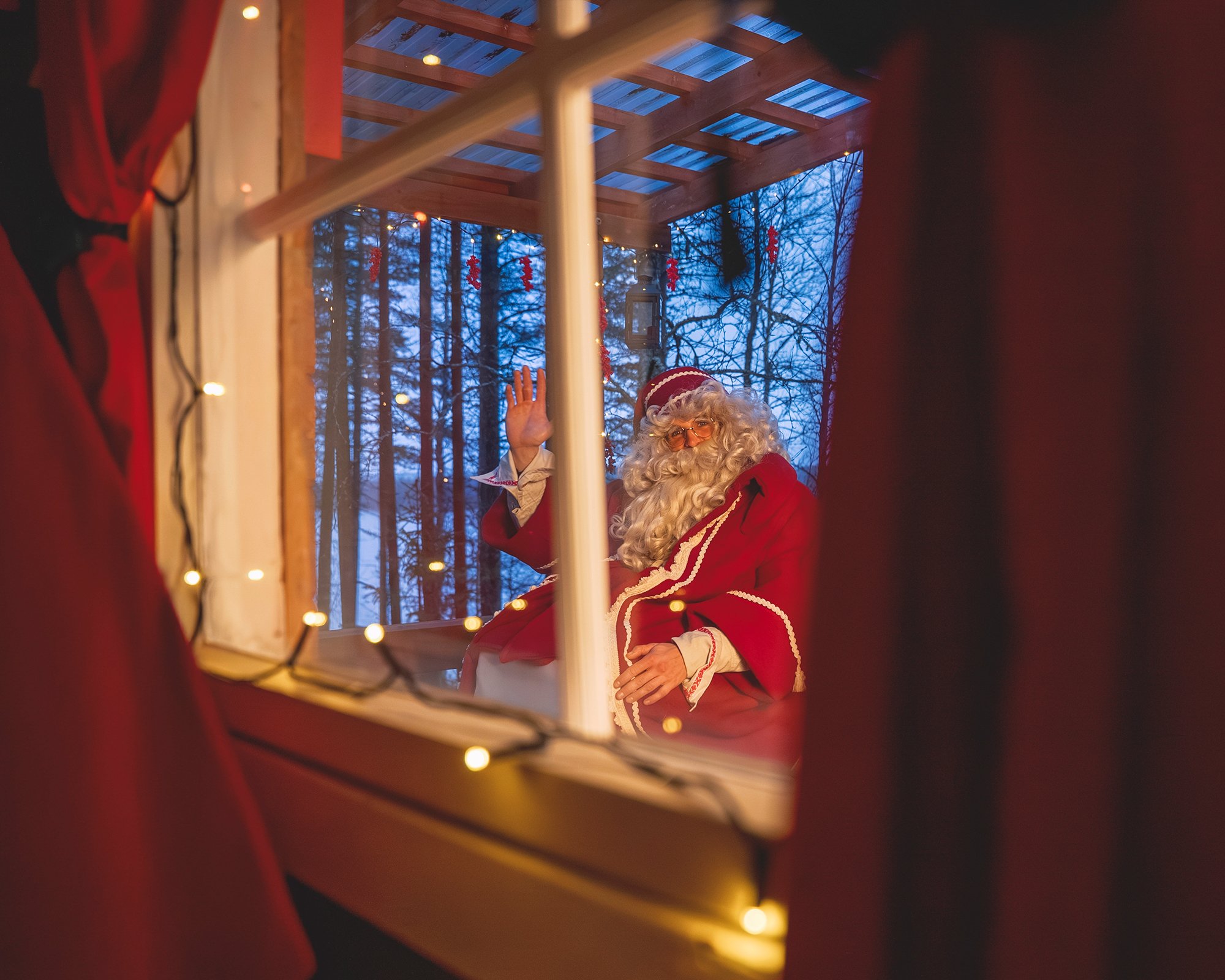
The final season of the year is Joulukaamos, the Christmas Polar Night season, a time associated with renewal, reflection and celebration. From mid-November to mid-January, Rovaniemi settles into deep winter. Snow usually blankets the landscape, daylight shrinks to just a few soft blue hours, and the sun barely rises above the horizon. Yet kaamos is not pitch black: the snow reflects moonlight, twilight glows in shades of blue, and the Northern Lights often dance across the sky.
This is when Rovaniemi feels most magical. Days are filled with classic Arctic adventures — snowmobiling across frozen landscapes, snowshoeing through silent forests, gliding through the snow on a husky or reindeer sleigh ride, or simply enjoying the crisp air on a winter walk. A visit to Santa Claus Village becomes almost essential — after all, Rovaniemi is the official hometown of Santa Claus. The town sparkles with festive lights, fireplaces glow warmly indoors, and the Arctic landscape invites you to slow down and embrace the stillness of midwinter.
Quick Facts
Period: Mid-November to Mid-January
Temperature range: 0°C to -25°C (coldest period typically in January)
Day length: 6-2 hours
Aurora Sighting Chances: High to Very High
Snow conditions: Good
Phenomenons: Blue twilight (kaamos light), Northern Lights
Tourist Traffic: High
So, When Should You Go to Rovaniemi?
As you can see, there aren’t just one but eight perfect moments to visit Rovaniemi! Dreaming of snow-covered forests and festive magic? Joulukaamos might be your season. Chasing crisp winter adventures and Northern Lights? Pakkastalvi or Hankikantokevät could be the one, depending on your budget. Prefer long hikes under colourful skies or endless summer light? Ruska or the “Nightless Night” season are calling.
The real question isn’t when should you go? It’s what kind of Arctic experience are you looking for? Whichever season you choose, Rovaniemi has a way of making it unforgettable.